2026 Virtual Conference

Strategies That Stick: Improving Immunization Uptake

Our virtual half-day conference will focus on practical approaches to increasing vaccine confidence and immunization rates. Through interactive sessions, real-world case studies, and expert-led discussions, attendees will explore communication strategies, lessons learned from the field and effective community engagement techniques.

AGENDA

8:30AM – Welcome & Opening Remarks
8:40am SESSION A:
Speaking their Language: How to have tough conversations about vaccines with hesitant parents

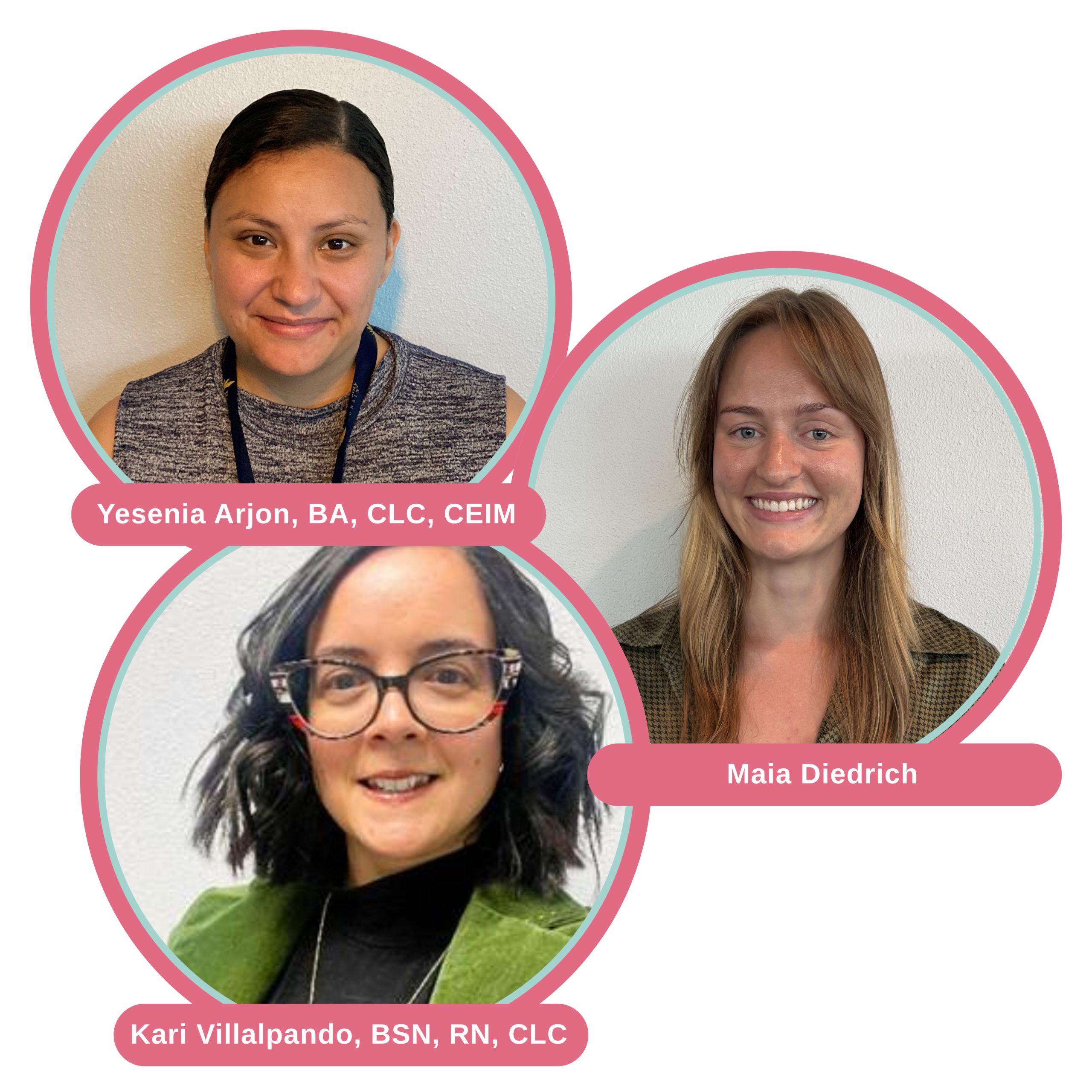
Led by Yesenia Arjon, BA, CLC, CEIM, Maia Diedrich, and Kari Villalpando, BSN, RN, CLC of Racine County Health Department – Public Health Division

Yesenia Arjon, BA, CLC, CEIM, Public Health Educator Home Visitor – Yesenia Arjon is a Public Health Educator Home Visitor with Racine County Public Health Division and provides intensive home visiting services with families in the Health Families Racine County program. She begins working with families prenatally through the child’s third birthday. She embraces the philosophy that a child’s life and relationship begins in utero. She considers it a privilege to play a role in a child’s beginning and journey until 3 years of age.

Maia Diedrich, Public Health Strategist – Maia Diedrich began her public health career with the Racine County Public Health Division as a Disease Intervention Specialist and has since advanced into the role of Public Health Strategist. While relatively new to the public health workforce, she brings a people-first approach grounded in practical solutions and meaningful community impact.

Kari Villalpando, BSN, RN, CLC, Home Visiting Supervisor – Kari Villalpando has worked for the Racine County Public Health Division as a Home Visiting Supervisor for the last 10 years. Prior to that role, she was a public health nurse home visitor for 4 years. Throughout her time working in public health, she has been working to empower the families she’s served and the home visitors she’s supervised by building and affirming their skills.

9:35AM – Session B: DHS IQIP Groups
SESSION B part 1:
Oneida Nation IQIP Success

Led by Leah M M Fuss, MSN, RN

Leah M. Fuss, MSN, RN, is a Community/Public Health Nurse and Immunization Coordinator with the Oneida Comprehensive Health Division, where she has served the Oneida Nation community since 2018. In her role, Leah leads the Population-based Programming Immunization program and supports the many other community health initiatives at the Oneida Community Health Center  – Community Health Services Department in Wisconsin.

Leah holds a Bachelor of Science in Human Biology from the University of Wisconsin–Green Bay, a Bachelor of Science in Nursing from Bellin College, and a Master of Science in Nursing from the University of Phoenix.

Leah brings a diverse clinical background that spans orthopedic/neuro care, medical-surgical nursing, intensive care, pediatrics (including specialized tracheostomy and ventilator care), rehabilitation, and home health across the lifespan. In addition to her clinical work, Leah has extensive experience as an educator, having taught human biology and chemistry at UW–Green Bay, served as an instructor and program coordinator in nursing and medical assistant training programs, and provides mentorship to interns through the Health Center’s Student Mentor Program. Leah also provides annual reproductive and health education to youth in the Oneida Nation School System.

Leah is passionate about advancing community-centered Public Health practices, supporting lifelong learning, and promoting health equity. Her professional and personal interests include teaching, gardening, reading, and social justice.

SESSION B part 2:
Ho-Chunk Nation Immunization Benchmark Report Project

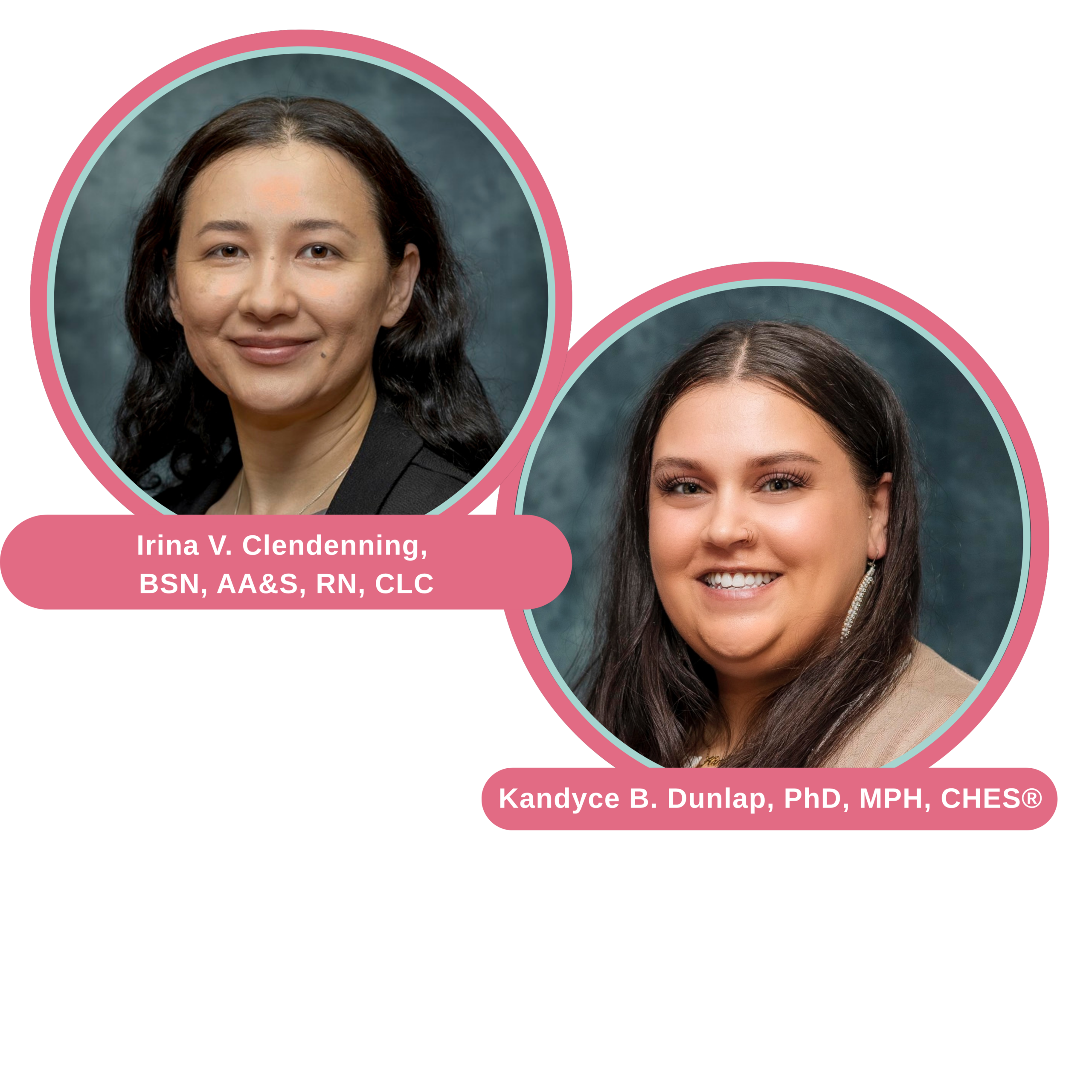
Led by Irina V. Clendenning, BSN, AA&S, RN, CLC and Kandyce B. Dunlap, PhD, MPH, CHES®

Irina V. Clendenning, BSN, RN, is a Public Health Nurse with the Ho-Chunk Nation Department of Health, where she focuses on maternal, child, and family health. Since joining the Ho-Chunk Nation in 2017, she has supported families through prevention-focused services including childhood immunizations, lactation support, safe sleep education, child passenger safety, and health education for parents and caregivers.

Irina brings experience in community, clinic, and pediatric nursing and works closely with families from pregnancy through postpartum and early childhood. Fluent in both Russian and English, she values building trusting relationships and helping families access the information, support, and services they need to stay healthy.

Irina is passionate about supporting children and families and values creating trusted relationships that help families feel informed, supported, and connected to care.

Kandyce B. Dunlap is the Public Health Director and Health Officer for the Ho-Chunk Nation Department of Health. In her role, she leads efforts related to communicable disease prevention, maternal and child health, community outreach, and public health planning, with a focus on practical, community-centered approaches to health and well-being.

Kandyce has worked across a variety of public health areas, including environmental health, food insecurity, sexual health education, HIV prevention, and health communication. Her doctoral work examined factors influencing mask-wearing intentions among young adults through the Theory of Planned Behavior.

She holds a PhD in Health Education & Promotion, an MPH, and is a Certified Health Education Specialist (CHES). Kandyce is passionate about building trust, strengthening partnerships, and believes meaningful public health work starts with listening, learning, and meeting people where they are.

10:30am SESSION C:
An Introduction to Plain Language Principles for Vaccine Messaging

Led by Malia Jones, PhD, MPH

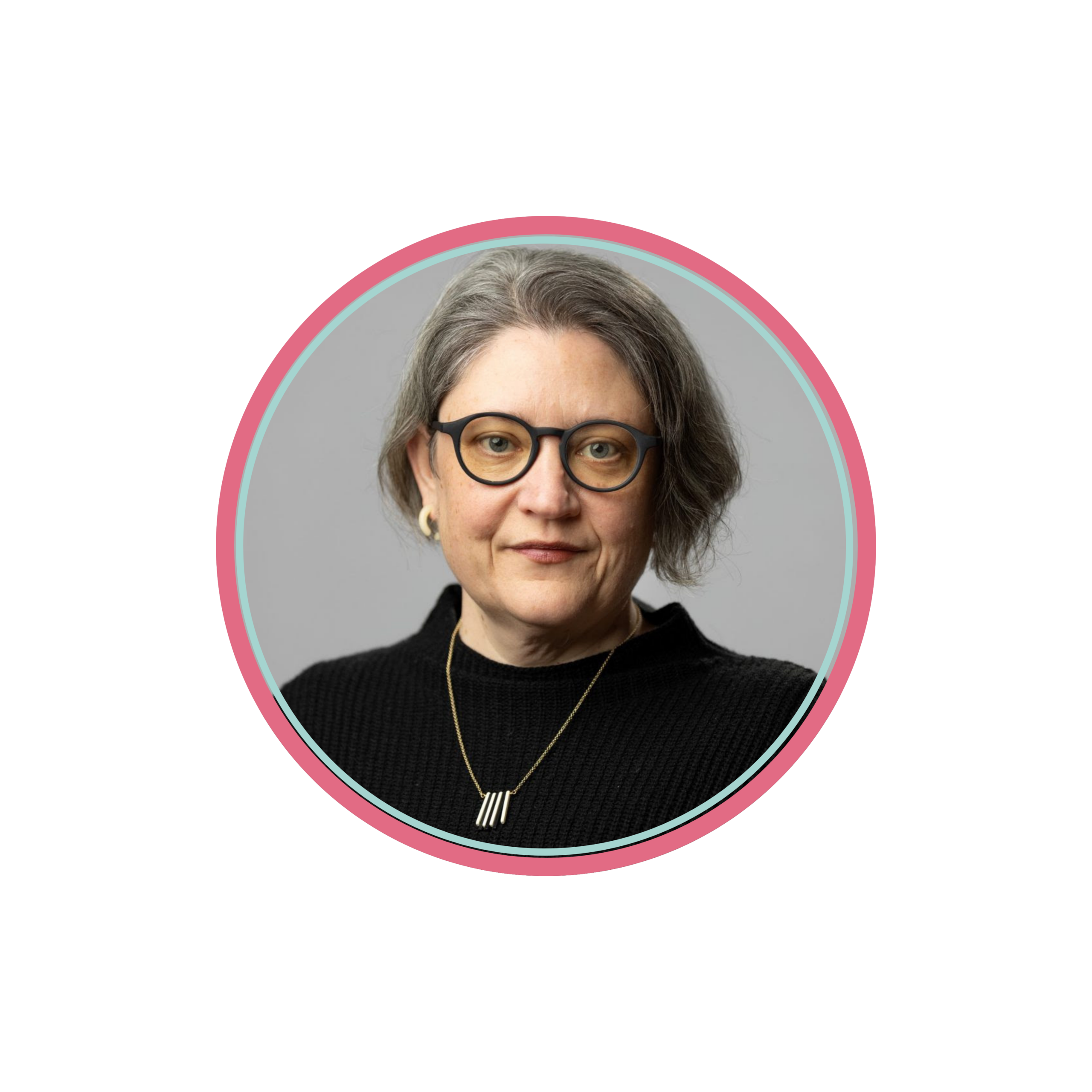
Malia Jones, PhD, MPH – Assistant Professor of Community Health, Department of Community & Environmental Sociology, UW-Madison. How do the places we spend time affect our health? How are the interactions of everyday life situated in places? How do patterns in our use of social and physical space lead to differences in the health of populations? My research agenda centers on spatially explicit approaches to the relationship between people and their social environments, and how spatial exposures lead to health disparities, especially in preventable infectious disease. My current work looks at rural health issues during the pandemic, including COVID-19 mortality and differences in vaccine behaviors across the urban-rural spectrum. I am also a science communicator. In 2020, I co-founded Those Nerdy Girls, a voluntary social media-based science communication collaborative.

11:25am SESSION D:
Teen Perspectives on Vaccination Practices

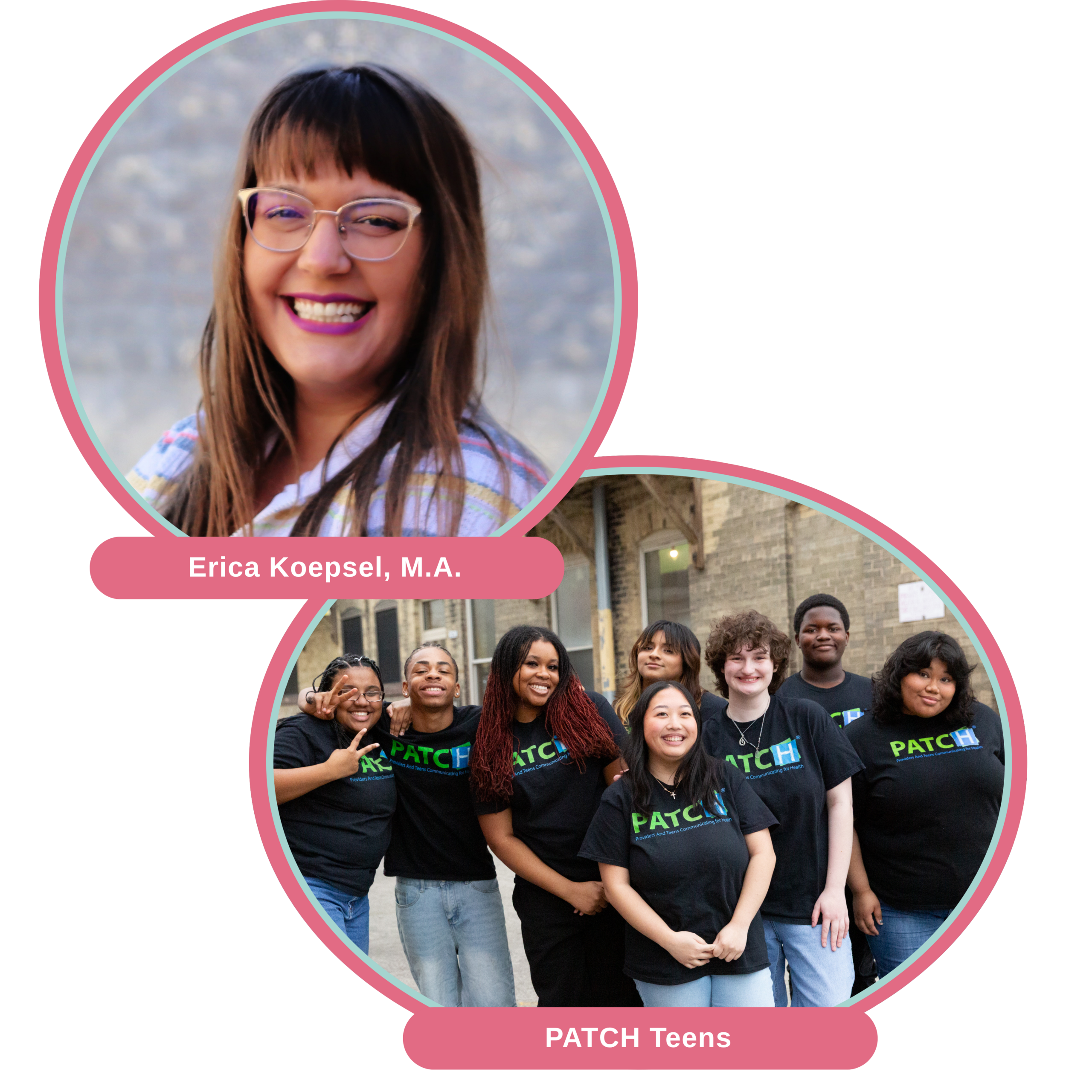
Led by Erica Koepsel, M.A.

Erica Koepsel, M.A. (she/her) is the Director of Youth Engagement at PATCH, where she cultivates impactful adolescent health and well-being programs through direct youth collaboration and adult coaching, building upon a career dedicated to sexual health education that began at age 19; her experience spans diverse adolescent groups across the Midwest, a year of Peace Corps service in Cambodia focused on community health education, and a Master of Arts in Gender and Women’s Studies from the University of Wisconsin-Madison, where her research and collaborative work with Planned Parenthood of Wisconsin focused on holistic sexual health education and curriculum development. Erica brings a robust skill set in education, curriculum design, and quality improvement to her role, actively expanding PATCH’s reach and refining its youth engagement strategies.

PATCH Teens are a group of high school students (aged 14-18) from across Wisconsin. They are trained as public speakers and advocates. Team members come from many diverse backgrounds and are experts on the needs and concerns of young people today. They use storytelling and guided discussion to share their own perspectives about adolescent health care and to advocate for changes within health care systems that would ensure access to high-quality, youth-friendly health care for all young people. Through their work they are breaking down stigma associated with many health issues and are prepared to discuss a wide variety of sensitive or challenging health topics.

12:00PM – Closing Remarks

STAY CONNECTED
WITH IMMUNIZE WISCONSIN

Join our mailing list to receive coalition news and updates!

reCAPTCHA is required.